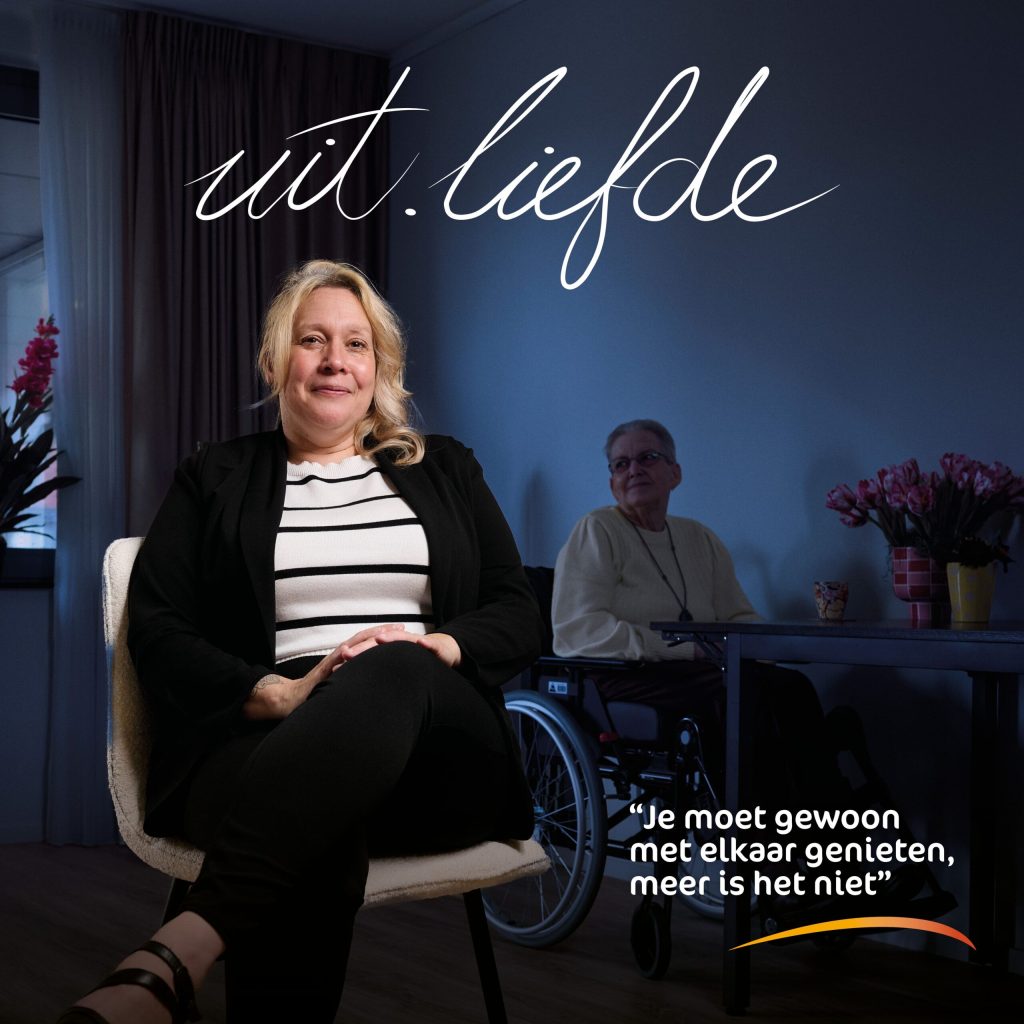
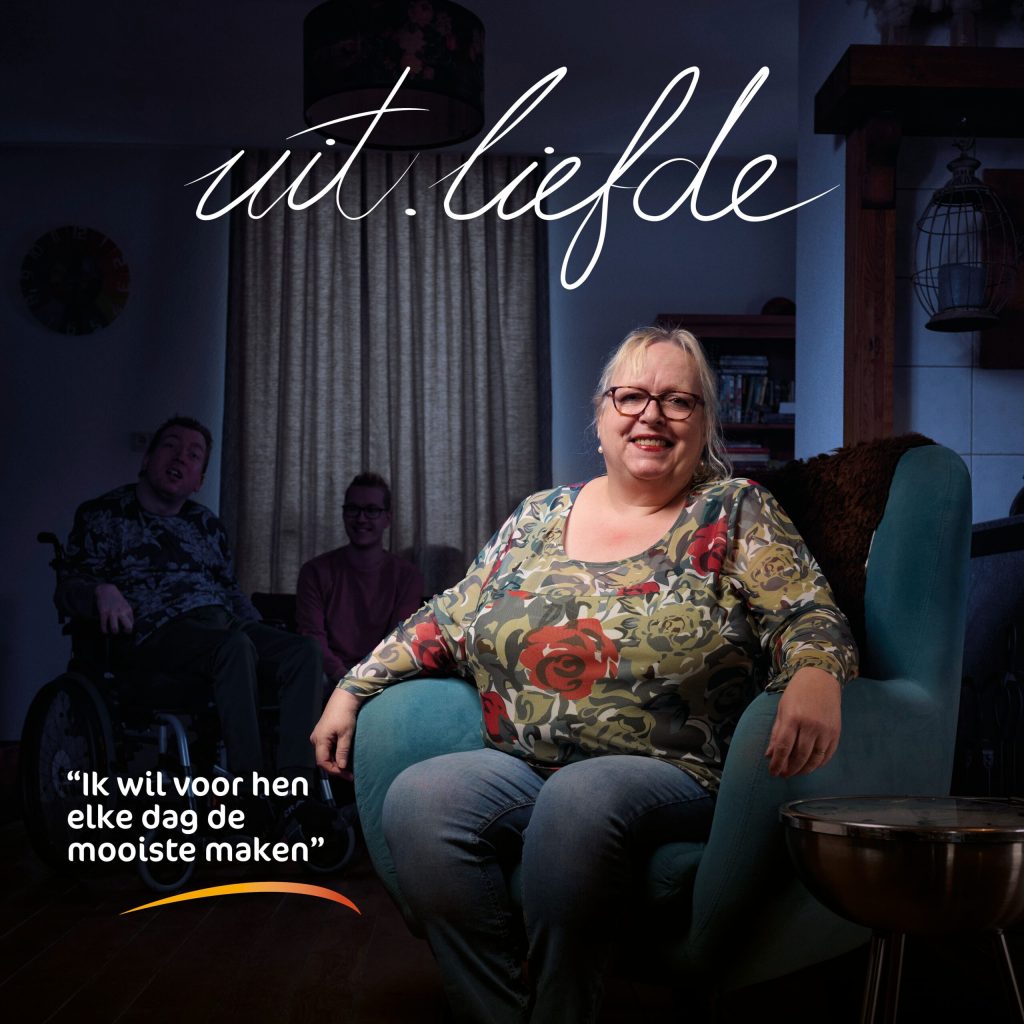
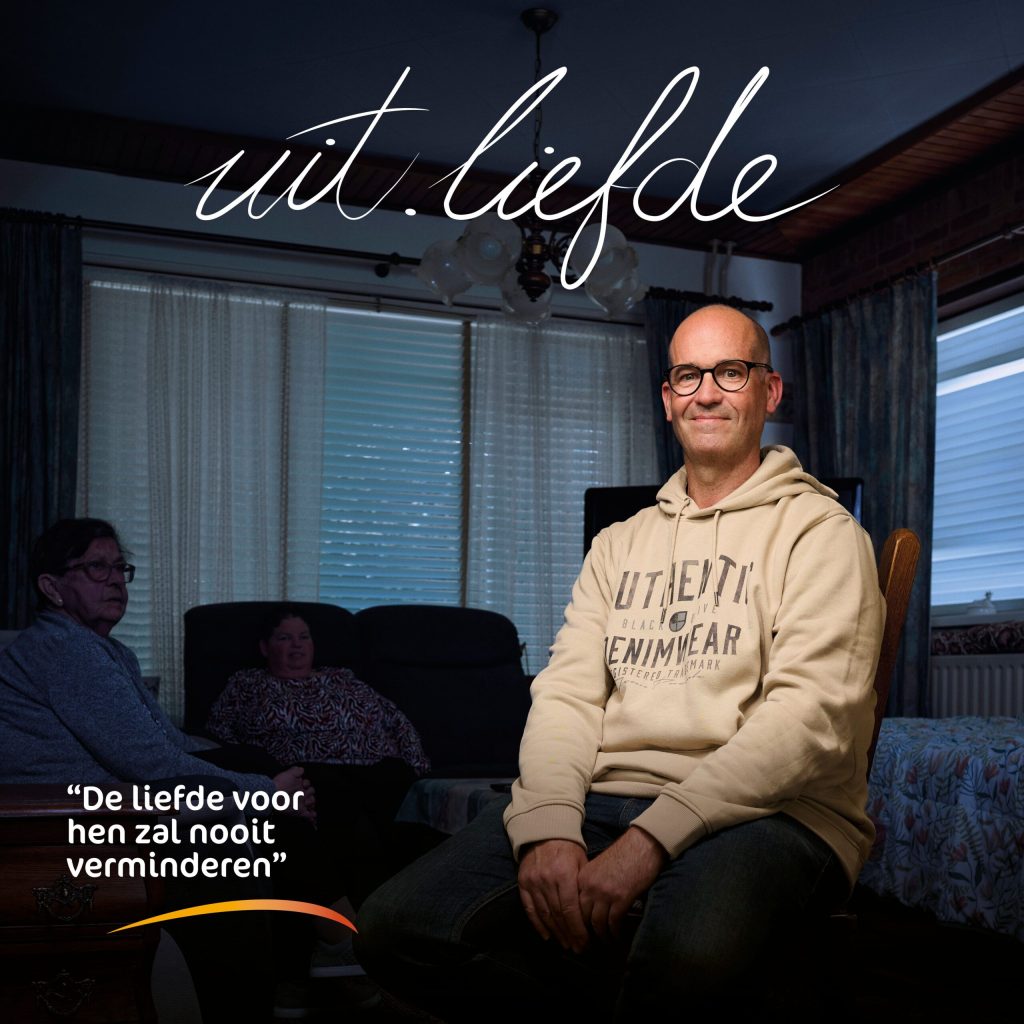
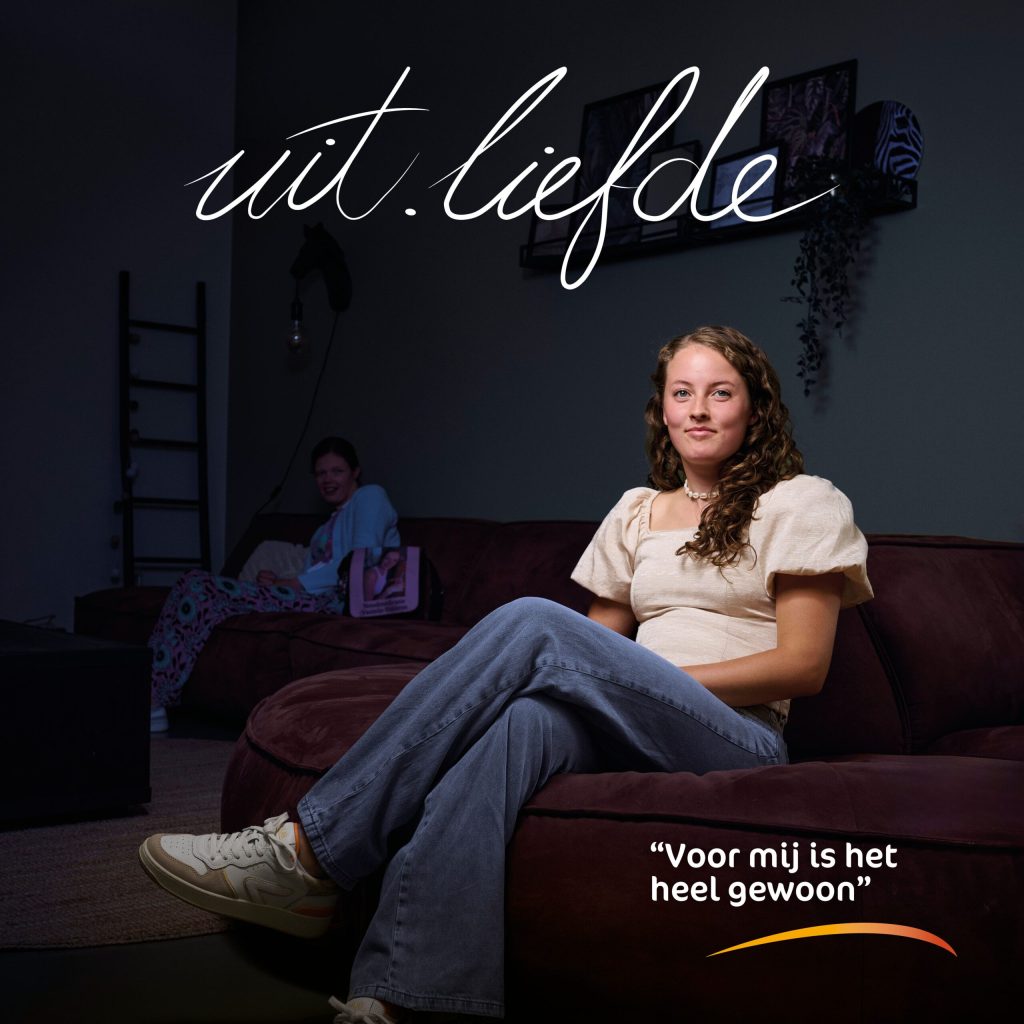
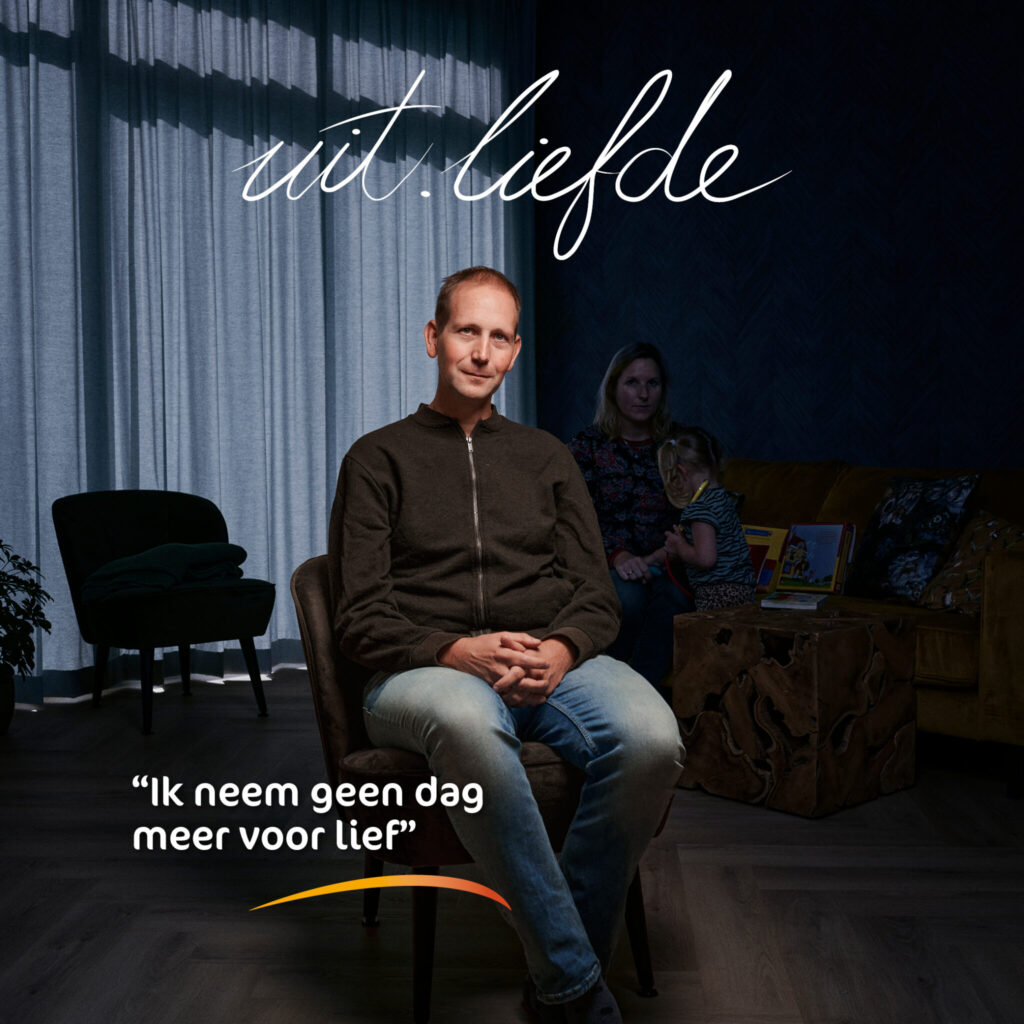
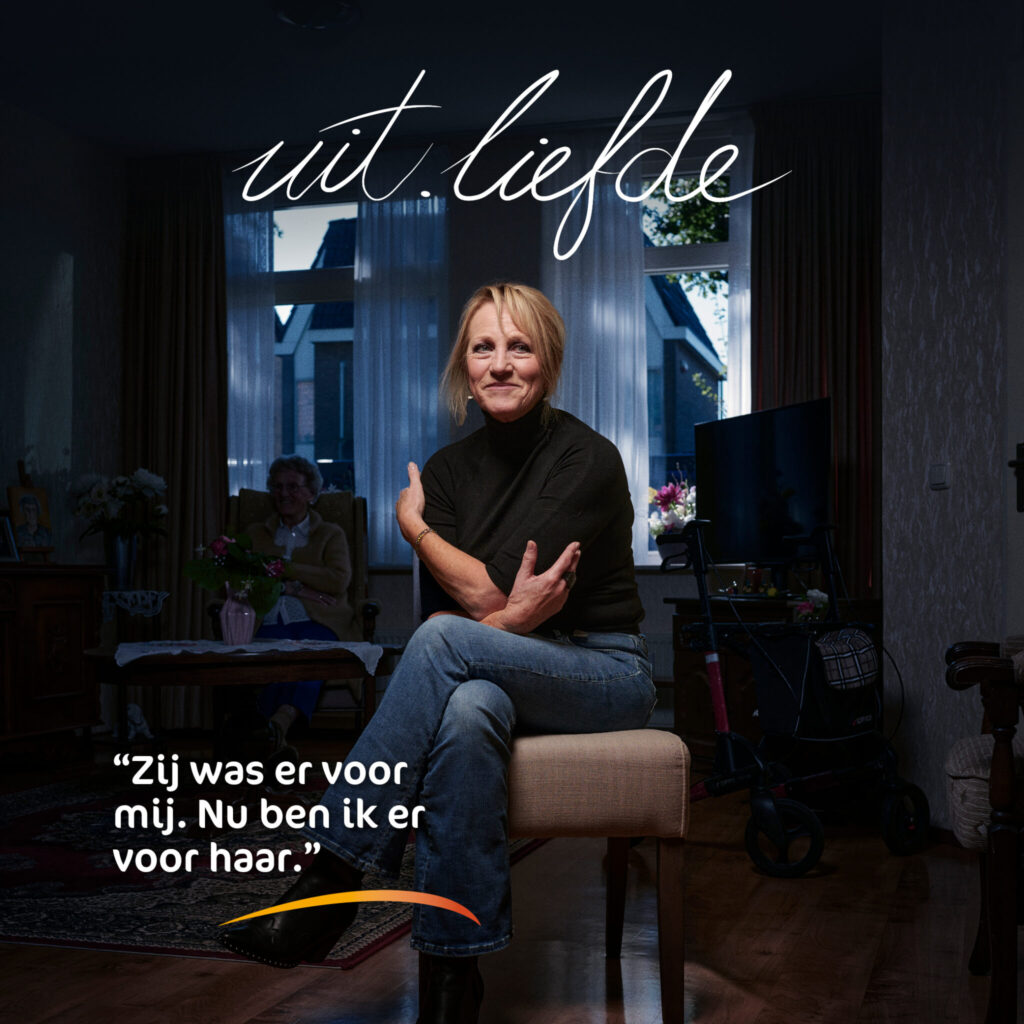
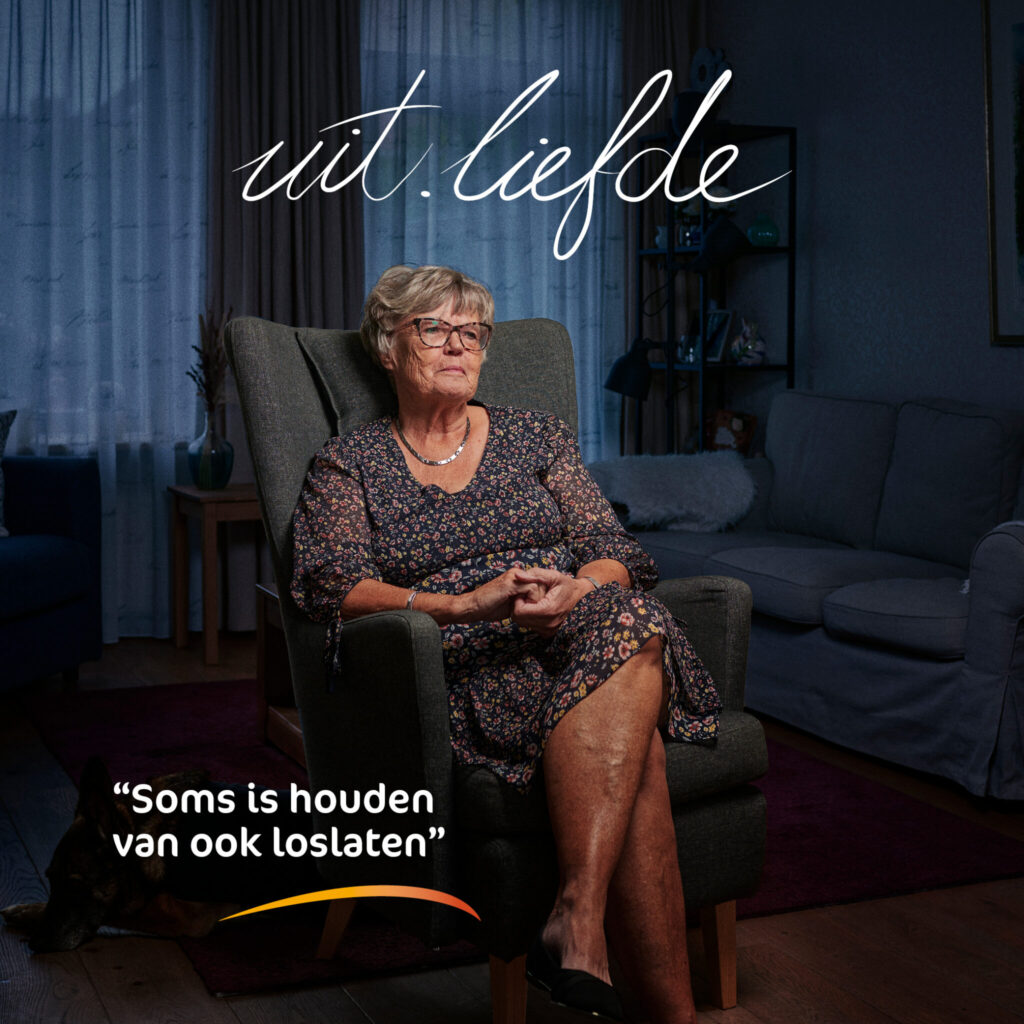
If you are a caregiver, you do it out of love. For the other person. Because you give, because you love, because you love. You care because the other person is important to you. But sometimes you notice that your own love gets less attention. Are you not loving yourself or the other for a while? That, too, is important to acknowledge. Hear how they give love, support and sometimes take care of themselves.
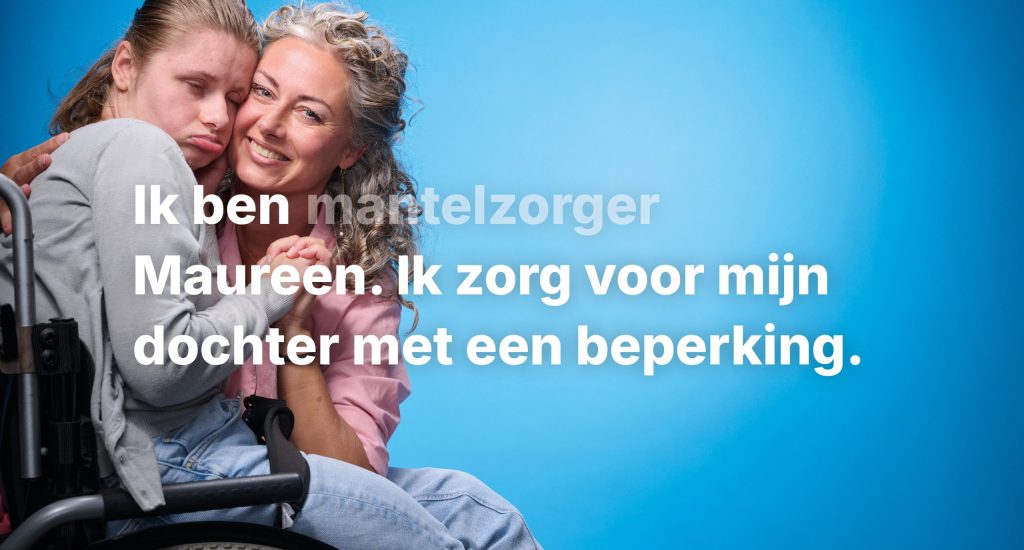
Maureen
Maureen cares for her daughter with disabilities. In this video, Maureen throws open her mantle and reveals her care(s).
Simone is a caregiver for both her mother and her mother-in-law, both of whom have dementia. For Simone, this is no problem at all, because her parents were always there for her, too. She does it out of love, but sometimes that love is also out for a while. You can listen to her whole story in the podcast.
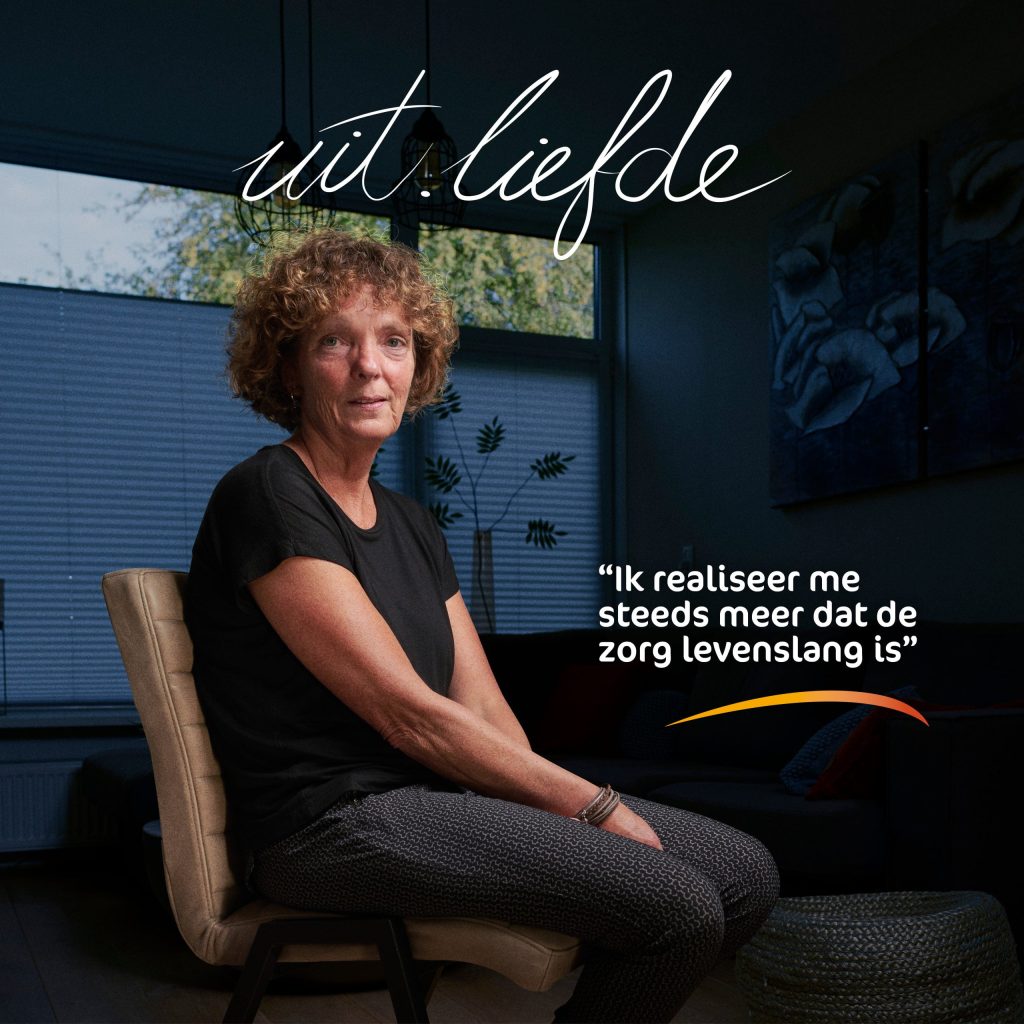
Thea is a caregiver for her two sons, both of whom have Leigh's syndrome. This is an intense metabolic disease in which brain cells are damaged because they do not get enough energy. Thea is a caregiver out of love, but sometimes the love is out for a while. You can listen to her whole story in the podcast.
Anton is a caregiver for both his mother and his wife, who is dependent on his care for many things due to her severe rheumatism. He does this out of love, but sometimes that love is out - especially when Anton then no longer gets around to doing things for himself. You can listen to his whole story in the podcast.
Yara is a caregiver for her 19-year-old sister. She has Dravet syndrome, which makes her both mentally and physically disabled and suffers from seizures. She cares for her out of love, but sometimes that love is out for a while. You can listen to her whole story in the podcast.
Claudia cares for her husband Danny, who was diagnosed with Parkinson's at 28. Together they decided that his disease should not stand in the way of their future, so they started a family. Claudia takes care of her family out of love, but sometimes forgets to take care of herself. You can listen to her whole story in the podcast.
Ingrid cares for her son Dirk out of love. She is his caregiver, but would prefer to be just his mother. Every other weekend Dirk is with his mother and then Ingrid spends all day caring for her son. She loves doing that, but it takes a lot of energy. Energy she doesn't always have. Want to know more about her story? Then listen to the podcast from.love.
Karin is a caregiver for her husband Kees. Before, the two of them did everything together and now they even live separately. This is hard for Karin. With lead in her shoes, she visits her husband in the hope that she can return home with a good feeling. She cares for her husband out of love, but sometimes that love is out. Listen to her story on Spotify.
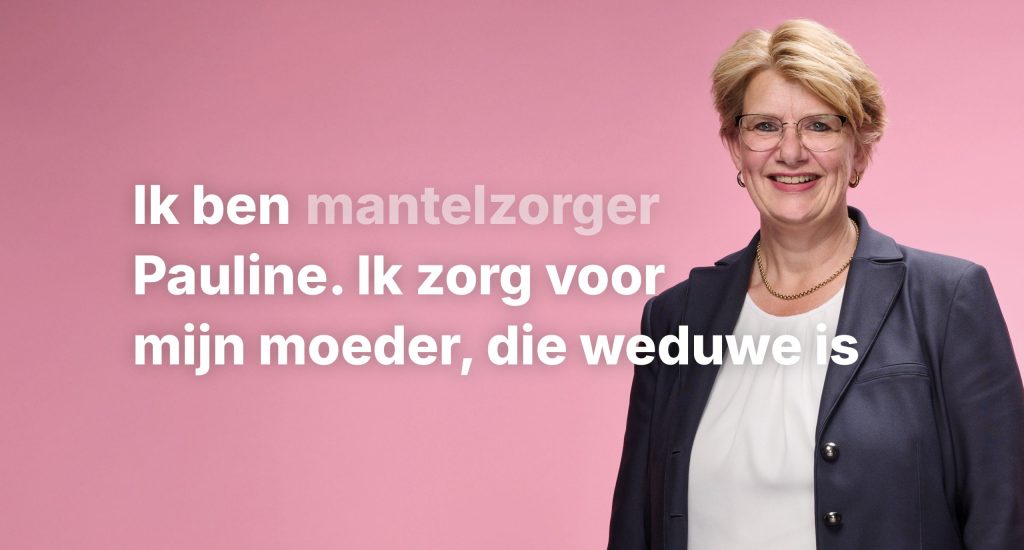
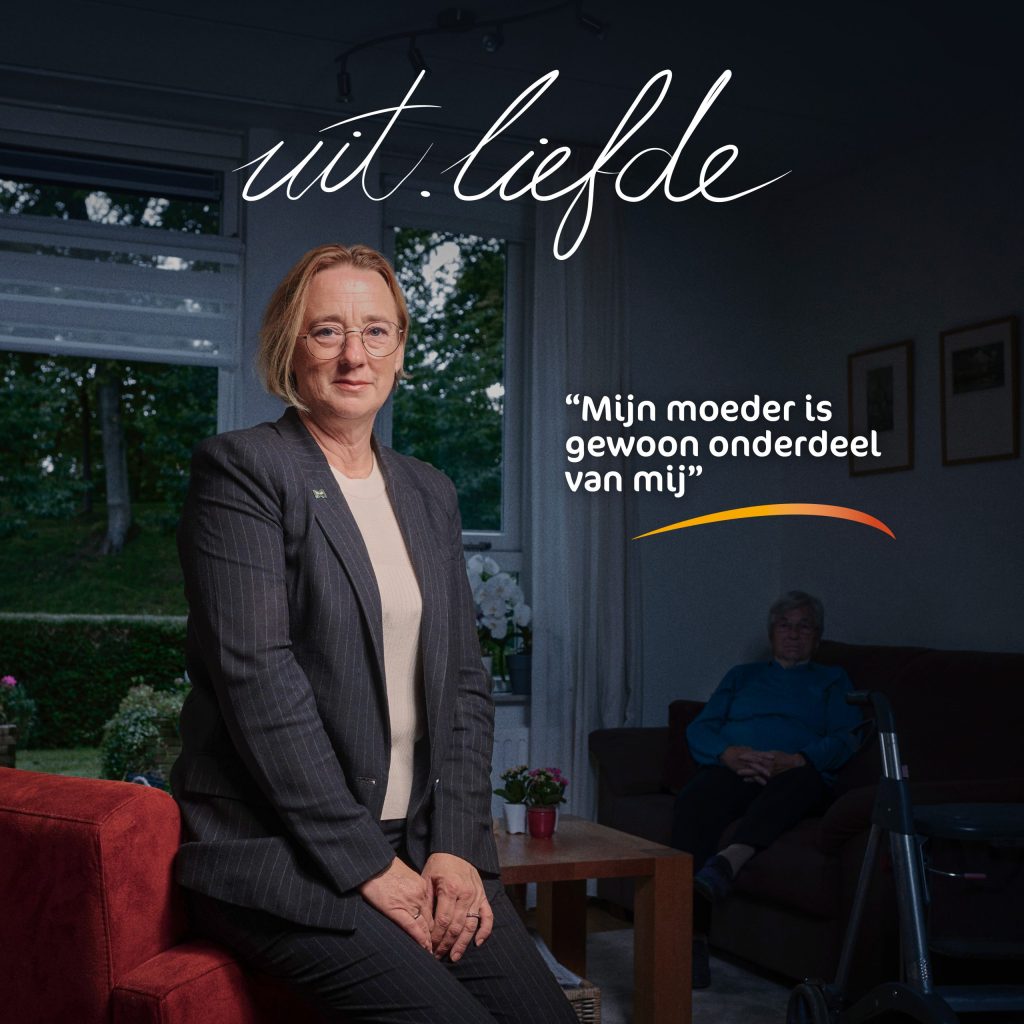
Pauline is an alderman for Moerdijk. Her mother used to drop in on her every day; now that she can no longer do so, Pauline goes to see her. For Pauline it is natural, but it also takes a lot of her energy. She is a caregiver out of love, but sometimes her love is also out. You can listen to her whole story via the podcast on Spotify.
Joke is a caregiver for her husband Jos, who is in a wheelchair and completely dependent on care. She does it out of love, but sometimes the love is out for a while. Listen to her story on Spotify.
Bas is a caregiver for his wife Kiki and daughter Tess. He does it out of love, but sometimes the love is out for a while. Listen to his story on Spotify.
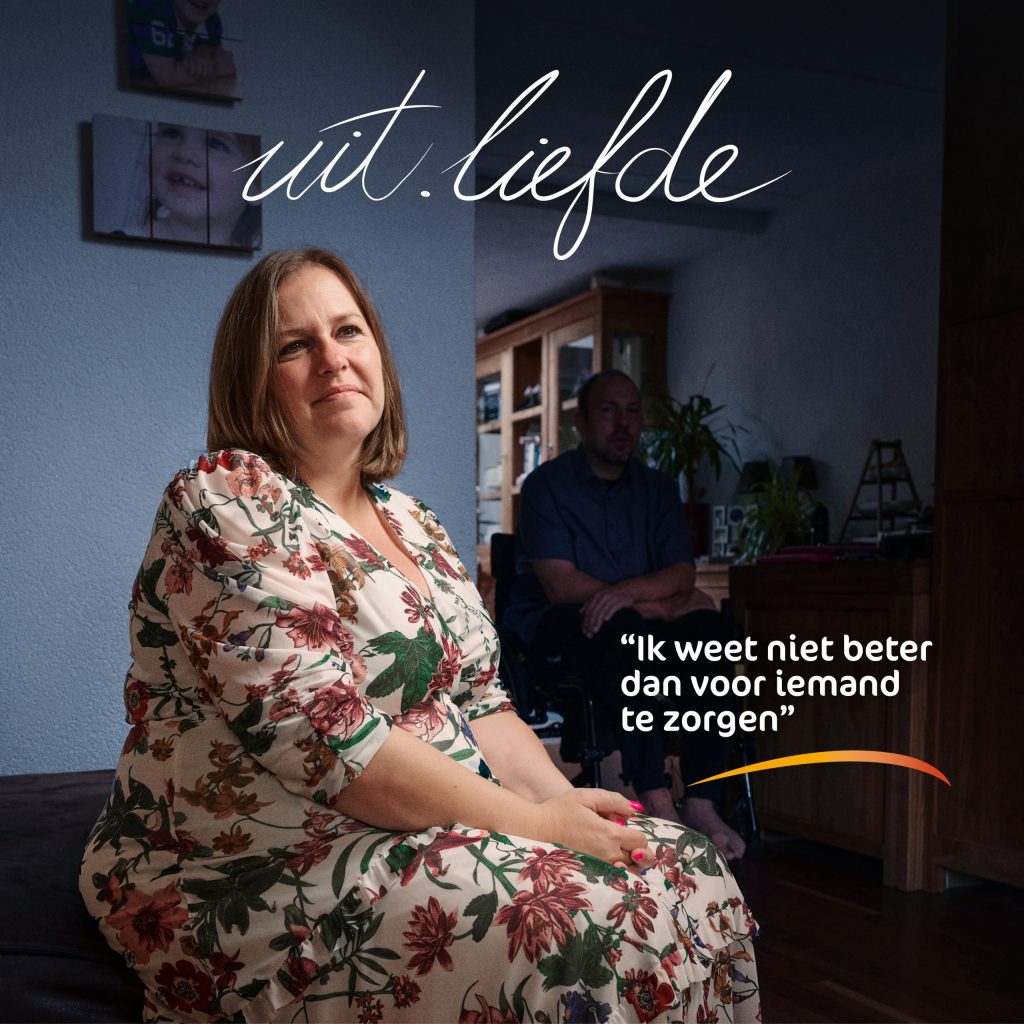
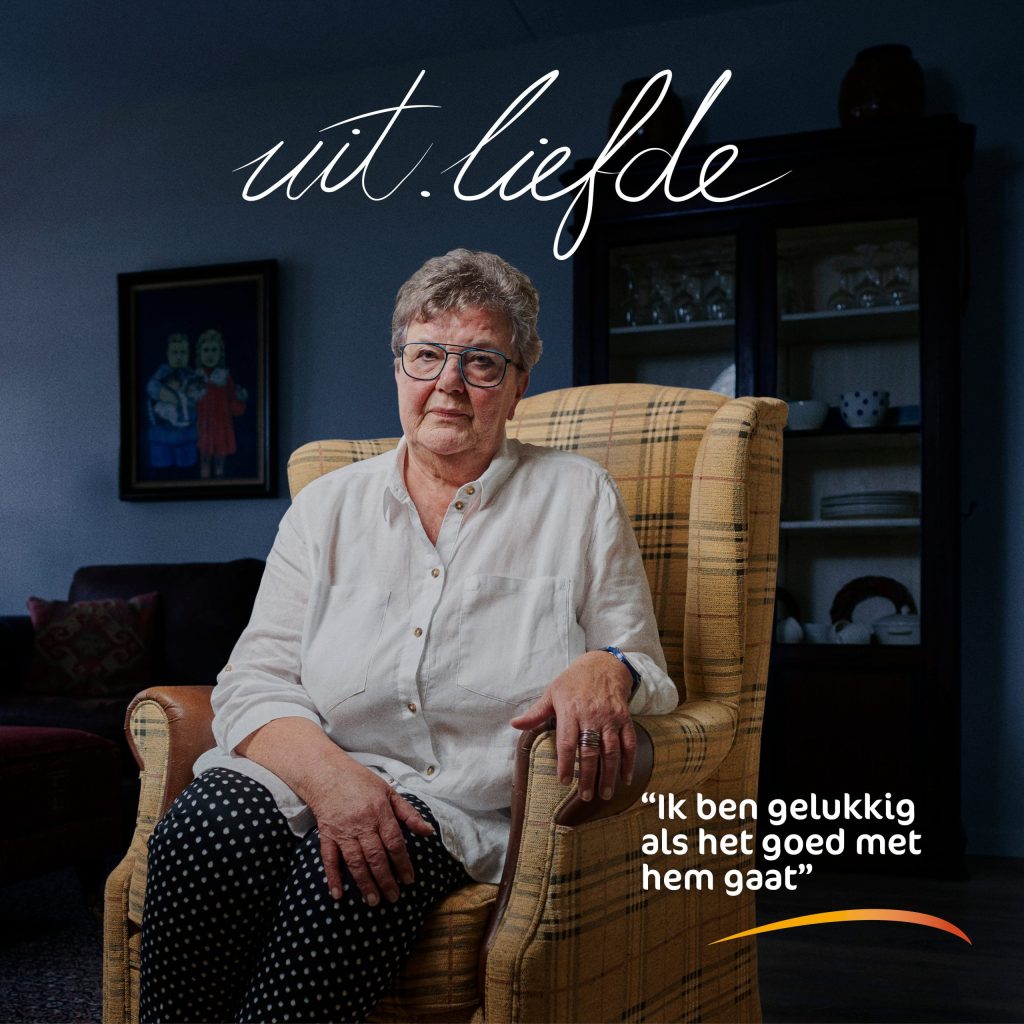
Margreet is a caregiver for her husband with Alzheimer's. She does it out of love, but sometimes the love is out for a while. Listen to her story on Spotify.
Guest lesson on young family caregivers at Mencia Sandrode
ZUNDERT. On Tuesday, May 7, ‘Vanzelfsprekend JMZ’ provided a guest lesson on informal care for all first year students at Mencia Sandrode in Zundert. As many as one in four young people have to deal with care at home. Surplus calls young caregivers co-makers. After all, their commitment makes a lot possible.
The first question posed to the students was, “What is informal care?” In all four groups there was at least one student who knew more about this topic or experienced informal care up close himself. In addition, Sjoerd shared his story of experience. Sjoerd is 22 years old and has helped care for his brother and mother as a family caregiver. This not only had a great impact on his social life and school performance, but also on his own health. Now he likes to share his story to make other co-caregivers aware of the impact that informal care can have on your life.
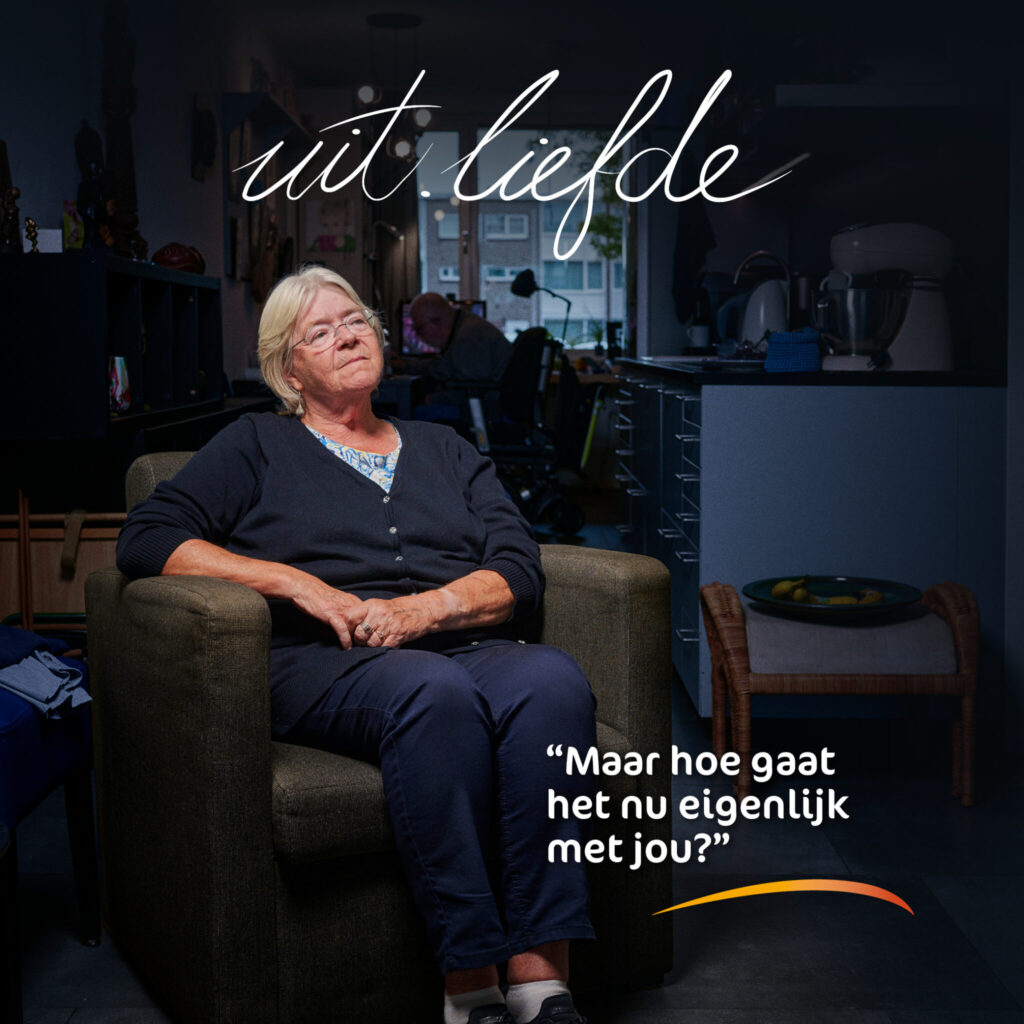
The guest lesson was organized by Surplus informal care support in cooperation with youth work Zundert and ‘Vanzelfsprekend JMZ’ and was offered ahead of the Week of Young Informal Caregivers (June 1 through June 7). Surplus is launching the campaign “How are you doing now?” during that week. The aim of this campaign is to draw attention to the group of young family caregivers and how the network around them can pick up signals of overload. By asking a very simple question.
Co-makers
Co-promoters are children and youth between the ages of 4 and 24 who are dealing with worries at home. They care for a parent/caregiver or brother/sister and in doing so make a lot possible. However, this group is often unaware that they are young caregivers and that support is also available for them. Also, young people mainly want to be ‘normal’ and are ashamed of their often difficult home situation. Through the guest lesson, ‘Naturally JMZ’ contributes to creating awareness.
Surroundings
Surplus“ campaign focuses on the question ”How are you doing?" It focuses on the immediate environment of young informal caregivers to pick up the signals around getting stuck in informal care. Think for example of teachers and sports coaches. Paying attention to these often overburdened young people is an important step towards help. Thus, together we ensure that young family caregivers receive support. This can be done through the informal care support centers or the youth work of Surplus.
‘Naturally JMZ’
‘Vanzelfsprekend JMZ’ is a platform for young family caregivers with a team of professionals and experts by experience. Their goal is to contribute to the familiarity and awareness of young family caregivers.
 English